
Waiting Too Long Can Damage More Than the Worn Part
A faint squeal when slowing down can be surprisingly easy to ignore, particularly when the car still stops without any obvious difficulty. Yet brake systems usually give warnings for a reason, and those early sounds may be the first sign that pads are approaching the end of their useful life. Scheduling brake repair before wear becomes severe can help keep the job relatively straightforward. Waiting, on the other hand, may allow damaged or worn parts to affect components that were originally still in good condition. What starts as ordinary maintenance can then become a larger repair with higher costs and more time spent off the road.
Brake pads are designed to wear gradually because their friction material absorbs much of the work involved in stopping the vehicle. Once that material becomes too thin, the metal beneath it can begin contacting the brake rotor. At that point, the familiar squeal may turn into grinding, and the rotor surface can become scored or damaged. A pad replacement that might have been simple can suddenly require new rotors as well. Continued driving can also generate additional heat, which may affect braking consistency. Paying attention to noises, changes in pedal feel, or longer stopping distances gives drivers a chance to act before the system reaches that stage.
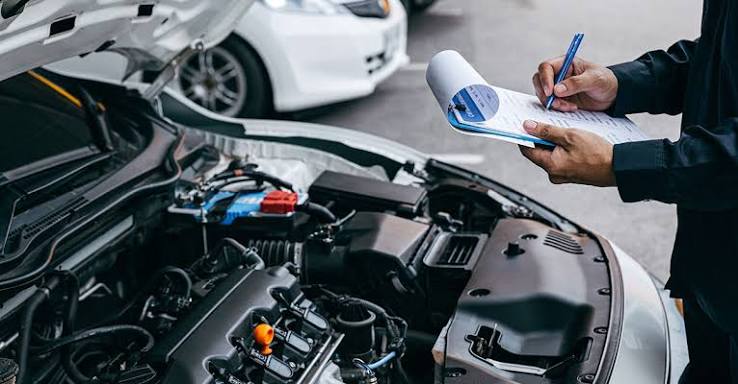
Other brake components can suffer when maintenance is delayed too. Calipers need to move correctly so the pads apply and release evenly, while brake fluid must remain in suitable condition to transfer pressure through the system. A sticking caliper can cause one pad to wear much faster than another and may create excess heat around a wheel. Old or contaminated brake fluid can also affect performance over time. During an inspection, technicians can look beyond the most obvious worn part and check whether related components are functioning properly. That broader assessment helps avoid replacing one item while overlooking the reason it wore unusually quickly.
There is also a practical financial reason to deal with brake concerns promptly. Smaller repairs are easier to schedule, while sudden problems tend to appear at inconvenient moments. Grinding brakes, severe vibration, or a warning light can leave a driver needing urgent service rather than choosing a suitable appointment. In more serious cases, additional parts may need replacement because wear was allowed to continue for too long. Regular inspections help owners understand how much life remains in pads and other components, making maintenance costs easier to anticipate. Clear information also helps distinguish between work that needs immediate attention and items that can safely be monitored.
Brakes are one area where waiting for a complete failure is never a sensible maintenance strategy. The system works every time the vehicle slows for traffic, approaches an intersection, or reacts to something unexpected ahead. Arranging brake repair when squealing, grinding, vibration, pulling, or unusual pedal behavior first appears can limit damage and help preserve reliable stopping performance. Early attention may mean replacing only the components that have naturally worn, rather than paying for several parts damaged by continued use. A small maintenance appointment today can therefore protect both safety and the repair budget, while making every day driving feel much more predictable tomorrow.