
Decorative Stone That Works Harder Than It Looks
A low-maintenance landscape does not have to look plain or overly practical. In fact, some of the most useful materials can also add the strongest visual impact. For property owners considering colored landscape rock, the appeal comes from getting both function and character in one choice. Decorative stone can brighten planting beds, sharpen the edge between lawn and garden, and cover bare areas that otherwise need frequent attention. It also introduces texture that changes naturally with sunlight and rain. Whether used around a home, office, storefront, or larger commercial property, the right rock can make outdoor areas look more finished while reducing some of the routine work that comes with keeping beds neat.
One practical advantage is the way stone can help define different zones. A border of decorative rock around shrubs can create a clean separation from grass, while a wider section can guide the eye toward an entrance, sign, or seating area. Unlike materials that quickly break down or need topping up every season, rock tends to keep its shape and presence for much longer. That does not mean it is completely maintenance free, since leaves, weeds, and debris can still appear, but the overall upkeep can be more manageable. For busy homeowners and commercial property managers, that durability can be especially appealing.
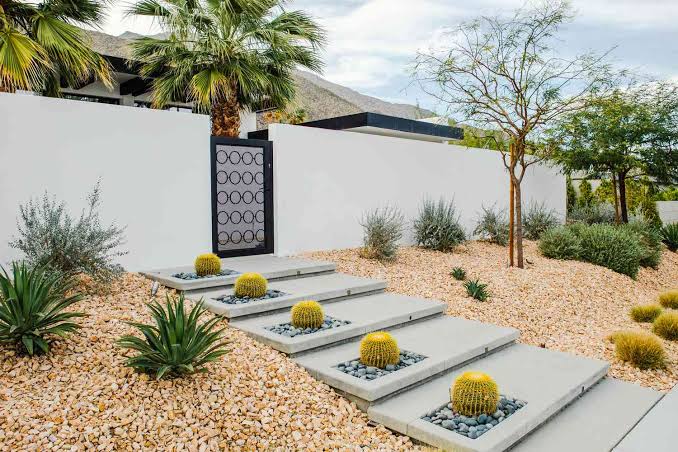
Color gives these practical benefits a more personal side. Warm reds, browns, and gold tones can make a garden feel richer and more traditional, while gray, white, or cooler shades may suit modern architecture and cleaner layouts. The best choice often depends on what already surrounds the area. Brick, siding, fencing, paving, and plant colors can all influence which stone looks most natural in the setting. Rather than matching every surface exactly, a complementary color can create contrast without making the landscape feel disconnected. Even a small amount of stone in the right tone can change the mood of a space.
Placement matters too. Decorative rock works well around trees, along walkways, beside patios, near drainage areas, and in beds where constant mowing or trimming would be awkward. It can also be useful in spaces where mulch tends to wash away or scatter. Choosing the right size is important, since very small pieces may suit detailed borders, while larger rock can provide stronger visual weight across open areas. Good preparation underneath also helps the finished surface look tidy and perform as expected. A thoughtful layout makes the stone feel like part of the design rather than something added simply to fill space.
The smartest landscaping choices usually solve more than one problem at a time, and that is where colored landscape rock can earn its place. It can add visual interest, create cleaner boundaries, cover difficult ground, and bring a more durable finish to areas that need to stay attractive through changing seasons. For residential or commercial projects, selecting a suitable color, size, and placement can turn ordinary stone into a practical design feature. The result can be an outdoor space that feels organized and inviting without demanding constant attention, giving property owners a landscape that looks cared for while remaining realistic to maintain.