
Transforming Empty Spaces Into Dream Homes With Virtual Staging Techniques
In today’s digital age, the way we buy and sell homes has dramatically changed. Buyers are increasingly turning to online listings, where they can browse properties from the comfort of their own couches. But what happens when they encounter an empty, lifeless space that leaves little to the imagination? This is where virtual staging comes into play. By using Virtual Staging Programs Furniture to create vibrant and inviting visuals, you can help potential buyers envision what a property could truly become. This technology not only enhances the appeal of a property but also significantly increases its marketability, making it an essential tool for real estate agents and sellers alike.
Imagine walking into a home that feels cold and uninviting because it’s devoid of furniture and decor. It’s hard for buyers to picture themselves living there when the space lacks character. Virtual staging bridges this gap by allowing you to digitally furnish and decorate the home, bringing it to life in a way that traditional photography simply cannot achieve. The beauty of virtual staging is that it allows for creativity and personalization without the costs and logistics involved with physical staging. You can choose styles that resonate with your target audience, whether it’s a modern minimalist look or a cozy farmhouse aesthetic. This tailored approach can make a significant difference in how buyers perceive a property.
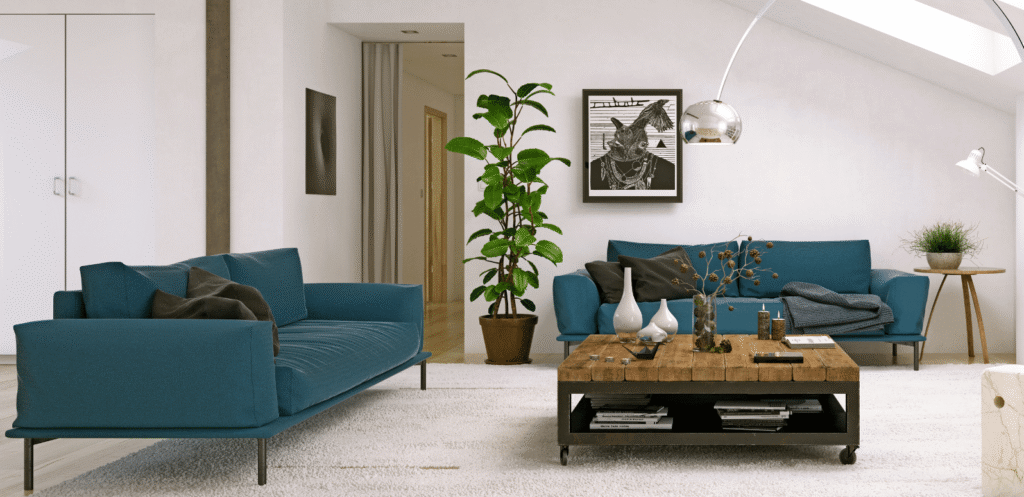
Moreover, virtual staging offers a level of flexibility that physical staging cannot match. Using Virtual Staging Programs Furniture options can help sellers add visual context to large or completely empty spaces. If a room feels too cramped with a certain layout or color scheme, you can easily adjust it digitally until it feels just right. This adaptability allows you to experiment with various styles and arrangements to see what works best for your specific market. You can present multiple options to potential buyers, giving them a chance to visualize different lifestyles. This not only keeps their interest but also encourages them to make an emotional connection with the home. When someone can imagine their own furniture in a space, they’re more likely to see it as their future home.
Another key advantage of virtual staging is its cost-effectiveness. Traditional staging can be expensive, often requiring the rental of furniture and decor, along with the associated labor costs. In contrast, virtual staging is typically a fraction of the price. This makes it an attractive option for sellers looking to maximize their return on investment without overspending on staging costs. You can allocate more of your budget toward marketing efforts or other improvements that may boost the property’s overall appeal.
Additionally, virtual staging can be a game-changer in a competitive market. When buyers are inundated with options, properties that stand out visually are more likely to catch their eye. High-quality virtual staging can elevate your listing and create a striking first impression that draws potential buyers in. In a world where attention spans are short, having captivating images can make all the difference in encouraging buyers to explore further.
However, it’s essential to approach virtual staging thoughtfully. Virtual Staging Programs Furniture features allow agents to experiment with décor and layouts without moving physical furniture. While the technology is powerful, it’s crucial to ensure that the images accurately represent the space. Misleading visuals can lead to disappointment during in-person showings, damaging trust and potentially hurting your reputation as a seller or agent. The goal should always be to enhance the property’s appeal while staying true to its actual dimensions and features. Striking this balance requires a keen eye for detail and a commitment to authenticity.
Additionally, educating your clients about the benefits and limitations of virtual staging is critical. Some may be hesitant to embrace this technology, feeling that it might not accurately represent the home. Taking the time to explain how virtual staging works, and showcasing successful examples, can help alleviate these concerns. Providing before-and-after visuals can be a powerful way to demonstrate the transformation that can occur and how it can facilitate buyers’ emotional connections to the property.
As you begin to implement virtual staging in your listings, consider collaborating with professional staging companies or skilled graphic designers who specialize in this field. They can bring a wealth of knowledge and creativity to the table, helping you craft stunning visuals that align with your brand and target audience. Additionally, staying updated on trends in home design can inform your virtual staging choices, ensuring that your images resonate with current buyer preferences.
Ultimately, the goal of virtual staging is to assist buyers in visualizing themselves in a space that may otherwise feel empty and uninviting. By thoughtfully curating furniture and decor that aligns with your target market’s tastes, you can create an emotional connection and spark interest in a property. This connection can be the difference between a buyer simply scrolling past a listing and one who is eager to schedule a showing.
In conclusion, virtual staging is not just a trend; it’s a powerful tool that can transform the way you market properties. By utilizing Virtual Staging Programs Furniture, you can help potential buyers envision their future home, making it easier for them to connect with a space that might have initially felt foreign. As you embrace this innovative approach, remember to focus on authenticity, creativity, and the emotional aspects of home buying. With the right strategy, virtual staging can lead to quicker sales, higher offers, and ultimately, happier buyers. So, as you navigate this ever-evolving real estate landscape, consider how virtual staging could be the key to unlocking a property’s full potential.